Call Us Now
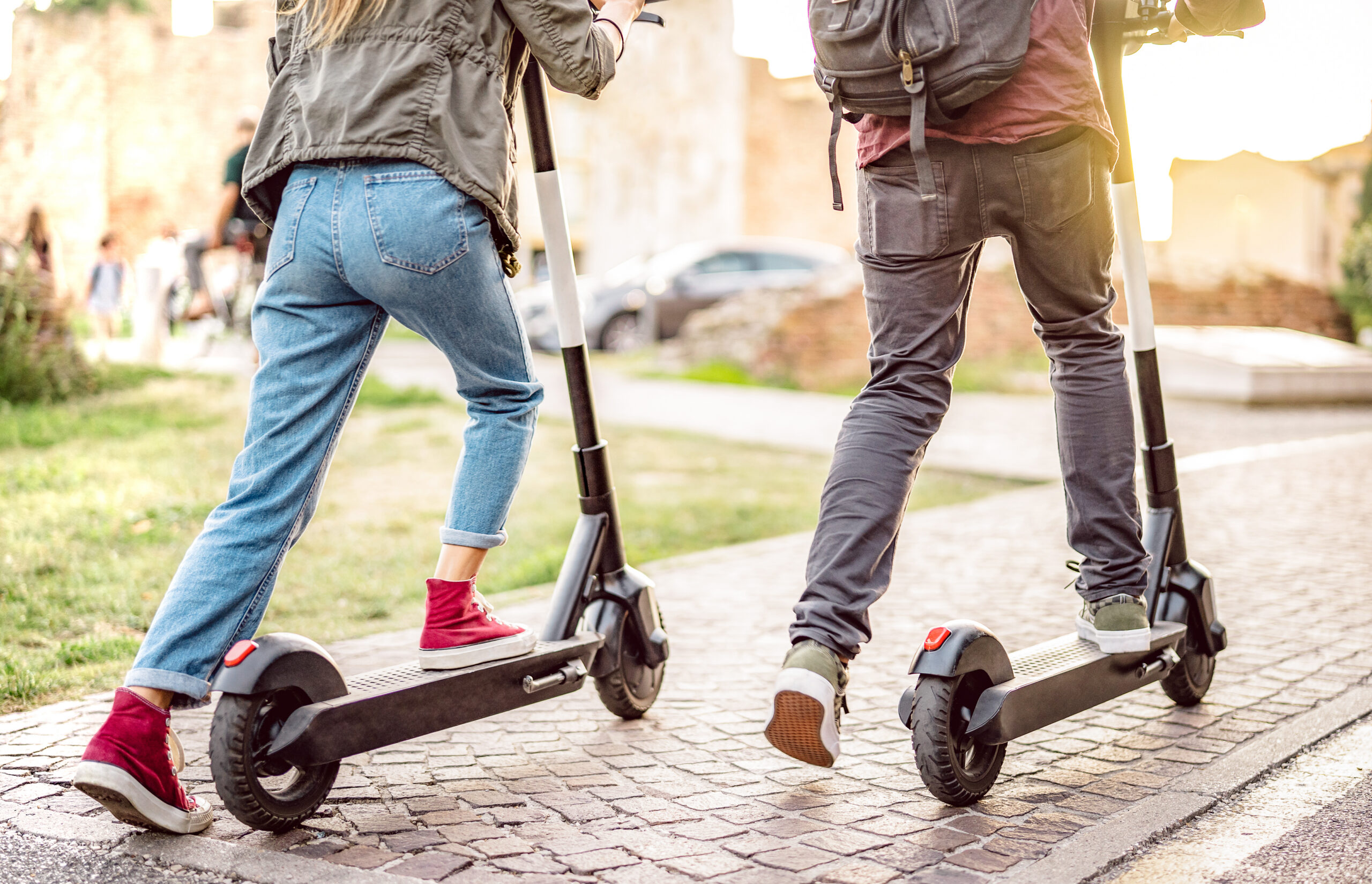
Ride through downtown Asheboro on a Saturday morning or cruise along a side street in Carthage, and you will spot them everywhere: e-bikes and e-scooters weaving between cars, parked on sidewalks, and locked to fence posts outside coffee shops. Sales of these devices have exploded across Moore and Randolph Counties, and for good reason. They are affordable, fun, and practical for short trips. But when something goes wrong, whether that is a collision with a car, a fall caused by a road defect, or a dispute over where you were legally allowed to ride, the first question that matters is a surprisingly tricky one: under North Carolina law, is your device a vehicle or a toy?
The answer shapes everything, from whether a driver who hits you can be held liable to whether you were required to follow traffic signals in the first place.
How North Carolina Defines E-Bikes
North Carolina currently recognizes a single statewide category for electric-assisted bicycles, but effective December 1, 2026, under Session Law 2026-46, NC law will formally divide e-bikes into three classes based on motor power and speed.
North Carolina General Statute § 20-4.01 defines an “electric-assisted bicycle” as a bicycle with fully operable pedals and an electric motor of no more than 750 watts. and a maximum motor-only speed on level ground of no more than 20 mph. Effective December 1, 2026, G.S. § 20-4.01(7a) will establish three classes:
- Class 1: Motor assists only while the rider is pedaling; the top assisted speed is 20 mph.
- Class 2: Motor can propel the bike without pedaling; the top assisted speed is 20 mph.
- Class 3: Motor assists only while pedaling; the top assisted speed is 28 mph.
All three classes will be treated similarly to traditional bicycles for most purposes under NC law. That means riders generally follow the same traffic laws that apply to anyone riding a bicycle on a public road. They must obey traffic signals, follow standard bicycle position and road rules where applicable, use lights at night, and yield to pedestrians in crosswalks. Under the new law taking effect on December 1, 2026, riders and passengers under 18 who operate a Class 3 e-bike will be required to wear a helmet. Currently, operating a 28 mph device generally falls outside the existing e-bike definition and may be treated as a moped.
Critically, e-bikes are not motor vehicles under NC law. That distinction matters enormously. It affects insurance coverage, liability analysis, and where the device can legally be ridden.
Where Do E-Scooters Fit?
E-scooters occupy a separate legal category in NC, and the rules governing them differ meaningfully from those governing e-bikes.
North Carolina lacks a uniform statewide standup e-scooter statute under G.S. § 20-4.01(13e). Instead, stand-up e-scooter rules are primarily set by local municipal ordinances rather than a single statewide definition.
Like e-bikes, electric scooters are governed by varying municipal rules. Riders do not need a driver’s license or vehicle registration to use one. But local governments retain authority to regulate or restrict scooter use on sidewalks, greenways, and other public spaces. That means the rules in Asheboro or Carthage can differ from those that apply in Raleigh or Charlotte, so checking local ordinances before you ride is worth your time.
One practical note: if you are riding a scooter that exceeds 750 watts or 20 mph, it may fall outside the statutory definition entirely and could be regulated as a moped or motor vehicle, which carries a completely different set of legal requirements.
Why the Vehicle vs. Toy Question Has Real Legal Consequences
Whether your device counts as a vehicle under NC law determines who is liable when something goes wrong and what legal remedies may be available to you.
This is where things get serious. People ride e-bikes and e-scooters, assuming they have the same legal standing as a car on the road, or assuming they have none at all. Both assumptions cause problems.
Because e-bikes and e-scooters are not motor vehicles, they are typically not covered by standard auto insurance policies. If a car hits you while you are riding an e-bike, the driver’s liability coverage may apply to your injuries, but your own vehicle insurance is unlikely to cover your damaged device. Homeowners or renters insurance, or specialized riders, may apply depending on your specific policy language.
On the liability side, because these devices are legally permitted on public roads and must follow traffic laws, other drivers owe you the same duty of care they owe any road user. However, legal liability and financial recovery still depend on proving negligence, navigating NC’s strict contributory negligence rules, and reviewing applicable insurance policies.
Road and sidewalk defect claims are another area where legal classification matters. If a pothole on a Moore County road causes a crash, the device’s legal status affects how a premises or governmental liability claim would be analyzed.
What To Do After an E-Bike or E-Scooter Accident
After a crash involving an e-bike or e-scooter, the steps you take in the first hours can significantly affect the strength of any future claim.
Get medical attention right away, even if you feel fine. Document the scene with photos, obtain contact information from any witnesses, and report the crash to law enforcement to create an official record. Keep the device and do not have it repaired before an attorney can evaluate it.
Avoid giving recorded statements to any insurance company before you speak with an attorney. Insurance adjusters are experienced at gathering information to minimize a payout. Knowing the legal classification of your device and how NC traffic law applies to your situation is essential before those conversations happen.
We Know These Roads
We grew up here. We have driven the same roads in Moore and Randolph Counties that you ride on, and we understand the local conditions that make accidents like these more likely than they should be. Rowland & Yauger, Attorneys & Counselors at Law, has helped more than 60,000 clients across more than 25 years, earning over 650 five-star reviews across both offices.
If you or someone you know has been hurt in an e-bike or e-scooter accident, we are ready to sit down and talk through what happened. Reach our Carthage office at 910-621-2991 or our Asheboro office at 336-537-5547. You can also contact us online to set up a time to meet.
Last updated: October 2026